
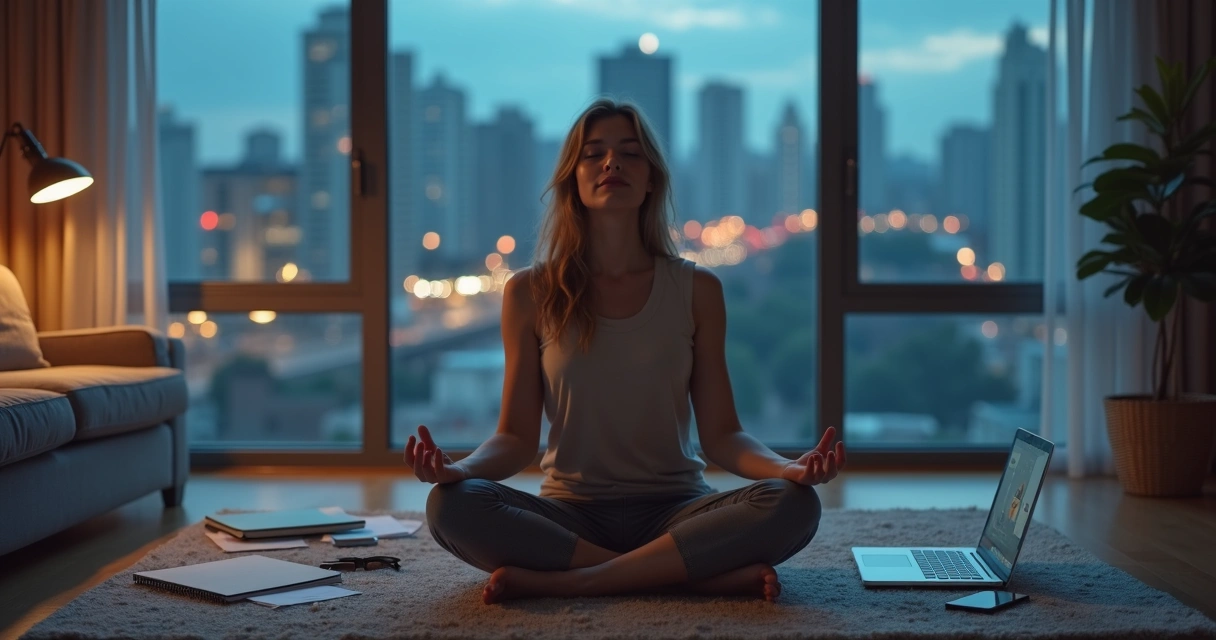
Stress can feel like a storm that’s suddenly upon us. In those moments, it’s easy to lose sight of what helps us stay steady inside. Yet, we’ve seen that emotional self-regulation is our real anchor when life tests our limits. Through curious observation and daily practice, we can all strengthen this ability—not just to manage these waves, but to reshape how we relate to ourselves and others.
Understanding stress and its effect on emotions
We all face stress, whether at work, home, or even within ourselves. What’s often overlooked is that stress first changes our body, then our thoughts, and finally our feelings. When stress hits, the first changes are physical—heart racing, breath shortening. That’s when our mind rushes in with stories, explanations, or worries.
If we pause long enough, we can notice that our emotions, like sadness, anger, or fear, often come next. If left unchecked, these take over our actions and decisions. Recognizing this sequence—body, mind, emotion, action—is the first step towards changing our response.
There is always a space between stimulus and response.
We believe that paying attention to this space opens up an opportunity for wiser, more aligned choices. Being able to notice ourselves in the moment is the subtle art of self-regulation.
What is emotional self-regulation?
From our perspective, emotional self-regulation is the ability to hold our emotions in awareness and choose our responses. It’s not about suppressing or denying what we feel. Instead, we learn to meet our inner world with kindness and attention, letting those feelings inform us without controlling us.
Think of it as learning how to listen to ourselves when emotions get loud, rather than letting those voices run the show. When we strengthen this skill, reactions soften, and our actions become more meaningful.
Practical strategies to improve self-regulation
There’s no single recipe, but we’re convinced that a toolkit works best. Here are strategies that we’ve found effective, both personally and with those we guide:
- Recognize your triggers: Begin by identifying what typically causes your stress. Is it a particular situation, person, or thought pattern? Knowing your personal triggers helps reduce surprises and opens up a path for preparation.
- Pause and breathe: The breath acts as a gentle break between emotion and reaction. Slow, conscious breathing calms the body and mind and gives us a foothold in the present, even if only for a few seconds.
- Label your emotions: When you feel stress rising, try to name what you’re experiencing. Is it frustration? Overwhelm? Fear? A simple “I notice I’m feeling anxious” can create enough distance to choose a better response.
- Shift your focus: When emotions are strong, try changing your attention. Notice something in your immediate environment, or use grounding techniques like touching a surface, noticing textures, or describing what you see.
- Practice self-compassion: Remind yourself that stress is a natural response, not a sign of weakness. Speak to yourself as you would to a friend. “It’s understandable that I feel this way right now.”
- Decide on action, not reaction: Once you’ve paused, ask, “What would feel right for me now? What aligns with my values?” Small, thoughtful responses change the trajectory of stressful moments.
Nobody uses all these strategies at once. We suggest starting with one or two, testing them, and noticing which work for you.
Internal awareness: the heart of self-regulation
The ability to regulate begins with paying deep attention to ourselves. We’ve noticed that those who build a gentle habit of self-observation find it easier to shift when stress appears. Here’s a simple way to practice:
- Set a timer to pause once or twice daily.
- Take a slow, full breath and ask, “What am I feeling right now?”
- Notice any tightness, heat, energy, or stillness in your body.
- See if you can welcome whatever arises, even if it’s uncomfortable.
Over time, this small habit often leads to more kindness towards ourselves, which is the real foundation of self-regulation.
How relationships influence self-regulation
We don’t regulate emotions in a vacuum. Stress in relationships can trigger our oldest patterns and the most intense emotions. The good news is, relationships can be a field where we strengthen regulation, not just a source of challenge.
Consider these relational skills:
- Active listening: Pause your own reactions and listen with curiosity. This often leads others to mirror your calm, softening exchanges.
- Clear boundaries: Communicate what you need with clarity and respect. When you’re clear about what feels right for you, it’s easier to avoid regret or resentment.
- Repair quickly: When stress gets the best of us, and we act in ways we regret, repair the moment as soon as possible. “I got triggered, and I’m sorry for how I spoke earlier.”

Each moment we choose presence over reaction, we rewrite our habitual ways of being. These choices, repeated, build new pathways in our emotional life.
The ripple effect: emotional self-regulation at work and home
The way we meet stress doesn’t just affect us—it touches everyone around us. When we show up more centered at work, families and colleagues also benefit. In our experience, it often looks like:
- More creative problem-solving, as anxious spirals quiet and clear thinking returns
- Improved trust with others, because reliability in our emotions helps others feel safe
- Greater sense of well-being, as our nervous system learns that stress is not the enemy, but a signal to check in with ourselves
Self-regulation in one area spills over into all areas of life.
We’ve seen that commitment to these practices creates an environment where growth and trust can flourish.

Building self-regulation habits for the long term
Real change comes from small, honest practices repeated over time. If there’s one message we’ve learned, it’s that self-regulation is a skill like any other: it grows with attention and patience. Here’s how we suggest integrating it every day:
- Keep a simple journal to track patterns in your stress and your responses.
- Set reminders to pause and breathe, even just for one minute.
- Share your intentions with a trusted friend or partner—a bit of accountability goes a long way.
- Celebrate small wins. Noticing even a slight shift in how you respond is progress.
These steps may seem minor, but over time, they grow into habits that support us in every area of life.
Conclusion
Emotional self-regulation transforms how we relate to stress and how we shape our lives. With daily practice, gentle observation, and self-compassion, we can meet stress with an open mind and a steady heart. Every intentional breath, pause, and kind word to ourselves strengthens the internal muscle of self-regulation. What we build inside spills into our families, teams, and communities—and that changes our world, one choice at a time.
Frequently asked questions
What is emotional self-regulation?
Emotional self-regulation is the skill of recognizing, understanding, and managing our emotional responses in a conscious way. Instead of letting emotions drive our actions, we create space to choose our responses thoughtfully. This process allows us to stay present, make better decisions, and care for ourselves and others even during stressful situations.
How can I stay calm under stress?
To stay calm under stress, we recommend focusing first on the breath. Slow, deep breaths signal safety to the body, helping to calm racing thoughts. Next, try to name what you are feeling, and shift your attention briefly to your senses or surroundings. Reminding yourself that stress is a normal part of life can also make the challenge feel less overwhelming.
What are the best self-regulation techniques?
Some effective techniques for emotional self-regulation include mindful breathing, labeling emotions, grounding through sensory experiences, expressing feelings through writing, and practicing self-compassion. Over time, building the habit of pausing before responding and choosing actions that align with your values can make these techniques even stronger.
Can emotional self-regulation be learned?
Yes, emotional self-regulation can be learned and strengthened through regular practice. Even if it feels challenging at first, daily habits such as self-reflection, journaling, and conscious pausing can grow your ability to respond thoughtfully to stress. Like any skill, consistency and patience are key.
How does stress affect self-regulation?
Stress can make self-regulation harder by triggering intense physical reactions and clouding our ability to think clearly. Those physical and mental changes often lead to more emotional reactions. With practice, we can learn to notice these signals early and bring ourselves back to a more balanced state, making it easier to choose how we respond instead of reacting impulsively.