
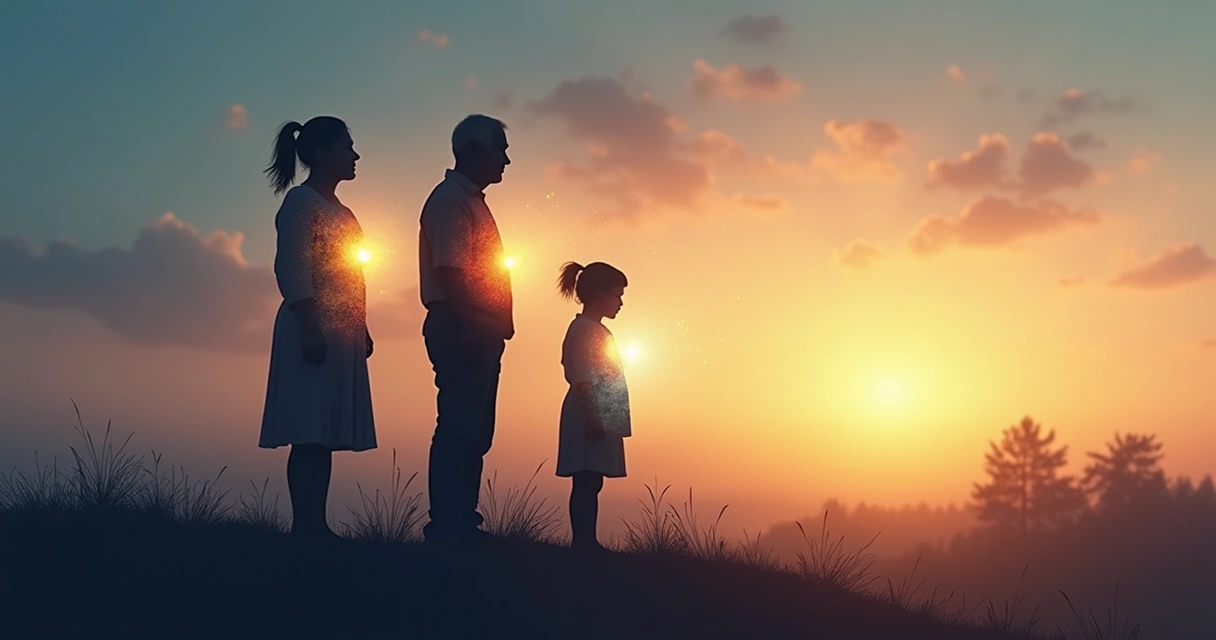
We inherit smiles, eye color, and maybe the shape of our hands. But as we have seen over years of research and many lived examples, there is another kind of inheritance that shapes us often before we know its name. Emotional inheritance. It is real, subtle, and, at times, far-reaching.
What is emotional inheritance?
We call emotional inheritance the patterns, beliefs, responses, and emotional tendencies that flow from one generation to the next. This transmission happens not through genes alone, but through the quality of relationship, the words spoken at the dinner table, and even through what is not said at all.
Emotional inheritance is the transmission of unconscious emotional patterns, coping strategies, and ways of relating that parents pass to their children, often without realizing it.
Hidden family stories shape silent parts of who we are.
It is not just about “trauma” or painful legacies. Emotional inheritance can mean a gift of inner resilience just as much as it can be a weight of anxiety. Every family leaves marks.
How emotional inheritance works in daily life
In daily life, emotional inheritance reveals itself in small moments, like how we handle disappointments, react to stress, or perceive intimacy and trust. We have observed that much of what guides our reactions was “absorbed” long before we had words for them.
- A child watches a parent respond to frustration with patience, or anger.
- A son sees his mother avoid conflict, and learns, without being told, to hide strong feelings.
- A daughter feels her father’s worry about money and grows up anxious about security, even when it isn’t necessary.
These are not simple habits but powerful templates. The body often remembers before the mind understands. We react, then reflect, sometimes asking ourselves, “Why did I do that?” as if surprised at our own response.
We live stories that started before we arrived.
What do parents really pass on?
In our experience, what parents pass on emotionally involves both actions and inactions, presence and absence. It is not only “bad” things that get transmitted, but the totality of the emotional environment, both supportive and limiting. Consider what happens beyond conscious intention.
- Parents’ beliefs about themselves (“I am good enough” or “I am a failure”) echo in a child’s inner voice.
- Unspoken fears or family secrets quietly organize how much openness feels safe.
- The way joy is expressed or suppressed becomes a model of permission for children’s happiness.
- How love and boundaries are shown sets the tone for adult relationships.
- Even dreams abandoned or risks never taken can become part of a quiet script children inherit about possibility.
Often, this emotional legacy is more powerful than any spoken lesson or rule. What is lived, day after day, seeps in deeper than what is taught in isolated moments.
Is emotional inheritance just genetics?
We are often asked if emotional inheritance is “just” a result of genes. While biology matters, the answer is more complex. Genes form a blueprint, but lived experiences, repeated responses, and the emotional tone of our upbringing play a much greater role than many might expect. The science of epigenetics, for example, suggests that deep emotional patterns can actually influence gene expression, opening further questions about how much emotional inheritance goes beyond pure DNA.
We believe that emotional inheritance is both biological and relational, shaped not only by what is passed in DNA, but also by what is experienced and repeated between people.
Much of it is relational learning: what we feel, what we witness, what we internalize about being loved or unsafe, accepted or rejected.
Emotional inheritance isn’t fate
Receiving an emotional inheritance does not mean we are doomed to repeat the same patterns. We have watched many people become aware of repetitive family themes and transform their reactions in profound ways.

The real power of emotional inheritance is not that it traps us, but that it invites us to meet the past consciously, choosing which parts to carry forward and which to lay down.
Becoming aware is the first step. As awareness grows, curiosity follows: “Is this feeling mine, or does it come from somewhere older?” And with time, new choices emerge.
- We may notice we parent our children differently than we were parented.
- We might choose to speak about difficult topics instead of avoiding them.
- Our self-care or our ambition may outgrow what our parents modeled.
Awareness is the true turning point.
Building awareness and responsibility
As we see it, the gift of recognizing emotional inheritance is that it brings responsibility. Not blame, but the opportunity for conscious change. We encourage honest reflection:
- What patterns have we received?
- Which ones help, and which ones limit?
- Where do we notice the urge to repeat, and where do we feel the need to change?
Some families have a warm sense of connection. Others may carry a quiet sense of loss, or a rule about who gets to speak about emotions. Identifying these legacies can bring both pain and relief, often at the same moment.
Practical steps for change
Emotional inheritance does not shift on insight alone, it takes new action. Here are a few approaches we have seen help families and individuals build new patterns:
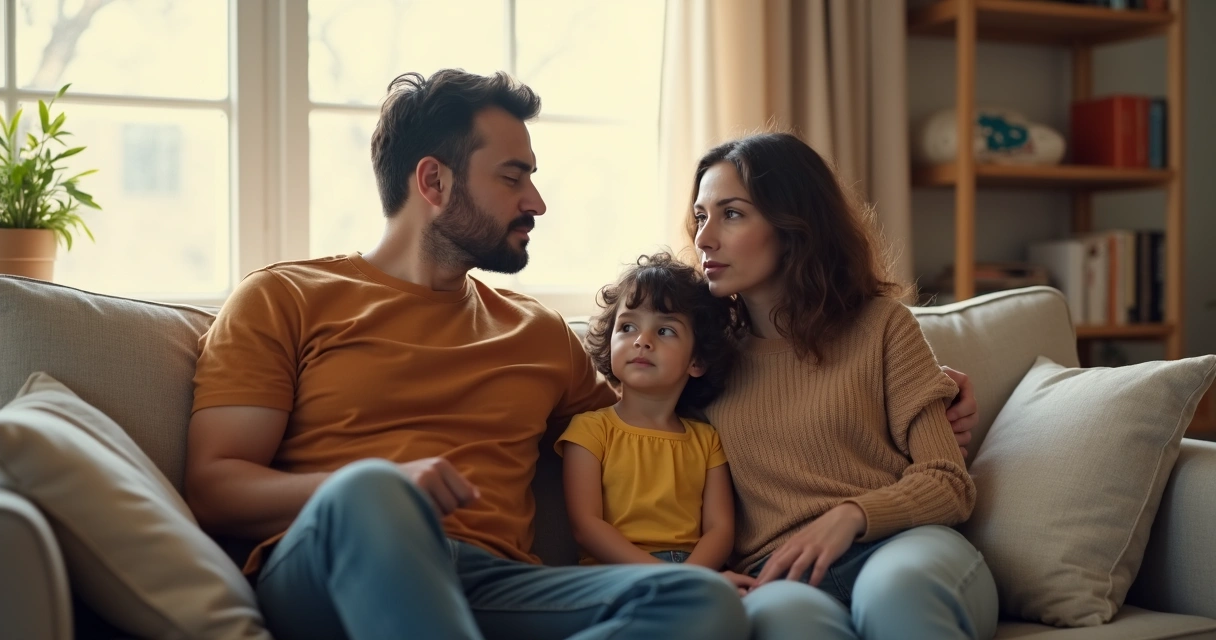
- Notice: Begin to pay attention to recurring emotional themes in your family. What gets repeated? What is left unspoken?
- Talk: Sharing openly, even about uncomfortable feelings, can release old family rules about silence.
- Choose: Decide which inherited patterns you want to keep, and which you are ready to let go of.
- Practice: Small daily experiments in responding differently, a new reaction to frustration, a new way to ask for help.
- Seek support: Sometimes professional guidance can help unpack old stories and create new ones.
Even small shifts in daily responses can break the automatic flow of inherited emotion and begin shaping new possibilities.
Gifts and challenges of emotional inheritance
Not everything inherited is a burden. Families often transmit warmth, courage, resilience, humor, and even hope. Being conscious about emotional inheritance means we can thank our parents for their gifts, and also make space to change what no longer serves.
- The ability to comfort others in hard times
- Openness to learning and growth
- Strong bonds of trust and loyalty
- Ways to handle disappointment and recover
We believe that developing clarity about inherited gifts makes them stronger, and addressing inherited challenges opens the door to greater personal freedom.
Conclusion
Emotional inheritance is woven into all our stories. It is both challenge and gift, map and invitation. While we cannot choose what we were first given, we can choose what we pass forward. The work begins not with blame, but with awareness, with the courage to look honestly at what lives in our family lines and the willingness to grow beyond what history alone prescribes.
Every generation can write a new story.
Frequently asked questions
What is emotional inheritance?
Emotional inheritance refers to the unconscious emotional patterns, responses, and beliefs children absorb from their parents or caregivers, not just through genetics, but through day-to-day interactions, family stories, and emotional climate.
How do parents pass on emotions?
Parents pass on emotions through their words, actions, reactions, and even what they avoid or suppress. Children learn by observing how parents cope with stress, express affection, handle anger, and relate to others, often internalizing these patterns without conscious intent.
Can emotional inheritance affect mental health?
Yes, emotional inheritance can influence mental health. Patterns such as chronic anxiety, low self-esteem, or difficulties in managing anger may be linked to inherited family patterns. Recognizing these influences allows for conscious change and improved well-being over time.
How to break negative emotional patterns?
Breaking negative emotional patterns starts with awareness. Reflect on recurring family themes, talk openly about emotions, and practice responding in new ways. Sometimes, external support such as counseling can help in understanding and shifting long-standing inherited patterns.
Is emotional inheritance only genetic?
No, emotional inheritance is not limited to genetics. It is shaped by family dynamics, repeated behaviors, emotional tone, and relationship quality, along with genetic and biological factors.