
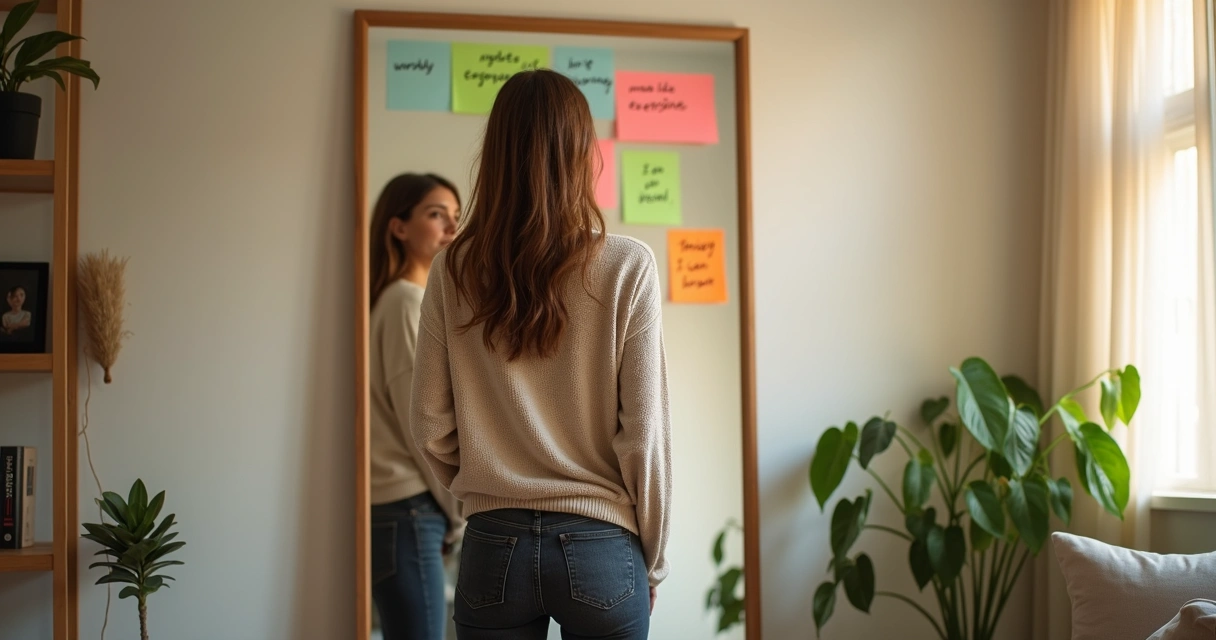
Each day, we wake up shaped by beliefs that have traveled with us for years. Some give us strength, while others quietly hold us back. Beliefs, especially those that no longer match our reality, can limit our choices. As we grow, questioning these old stories becomes an act of self-respect and growth. We think daily attention to our beliefs is a gentle but powerful way to shape our experience for the better.
Understanding what beliefs are and how they form
Beliefs are mental maps that help us navigate the world. They come from our upbringing, culture, past experiences, and influential people in our lives. Some are rooted in family traditions, others grow from school lessons, friendships, or work life.
- They tell us what is possible or impossible.
- They shape how we react to failure, love, or challenge.
- When left unexamined, beliefs can operate like background programs, running our decisions without our direct awareness.
Sometimes, we realize a belief came from a childhood experience that no longer fits. We might still act as if “people cannot be trusted with secrets” even after years of safe friendships. Recognizing the source helps loosen its grip.
Everyday signs of outdated beliefs
Outdated beliefs don’t always announce themselves. We notice them through repeated patterns—strained relationships, career stagnation, or familiar anxieties. So how can we catch one in action?
- Internal resistance. A sense of discomfort when considering new opportunities or changes. We find ourselves saying, “That’s just not me,” but struggle to explain why.
- Negative self-talk. Persistent thoughts that sound like “I’m not good enough,” “I always mess things up,” or “Success isn’t for people like me.”
- Emotional “triggers.” Overreactions to seemingly minor events can reflect deep, unseen beliefs being challenged.
- Repeating unwanted outcomes. We recognize that similar problems appear in different situations, pointing to a hidden script.
Spotting discomfort is the first step to seeing an old belief in action.
Why outdated beliefs stick around
In our experience, outdated beliefs can feel strangely comforting. They are familiar. This familiarity sometimes outweighs their accuracy or helpfulness. There is also a sense of loyalty—“if my family believed this, shouldn’t I?” Moreover, our brain likes the path of least resistance, running old automatic habits instead of taking on the work of change.
The pain of letting go of a belief can be real, even if holding it keeps us from growth.
We have also noticed that beliefs tied to strong emotions—hurt, fear, shame—are especially sticky. They seem “true” because they feel intense, but “feeling true” is not the same as being true.
Steps to recognize outdated beliefs every day
We believe daily self-reflection is a gentle practice that builds awareness. These steps can be woven into ordinary life.
Pause and notice your reactions
When something triggers irritation, fear, or discouragement, pause. Ask: “What does this reaction say about what I believe, right now?“ Write it down. Words on paper create some distance, helping us see the belief more clearly.
Identify thought patterns
Look for repeated phrases in your thinking. If there’s a negative theme—such as “I’m never chosen for big projects”—trace it back. Ask, “When did I first start believing this?”
Ask gentle questions
Gently poke at the belief to test its strength. Good questions include:
- Is this always true?
- Where did I learn this?
- Does this belief help me or keep me stuck?
- If my closest friend said this about themselves, what would I say?
Collect small evidence
Think of moments, even tiny ones, when the belief was proven wrong. For example, if you believe “I cannot learn new things,” remember a time you mastered a new skill or adapted to a change. Gather these counterexamples.
How to change outdated beliefs in daily life
Recognizing an outdated belief is a meaningful step. Changing it calls for regular, honest effort. We find this process works best when integrated into daily routines, rather than tackled all at once.
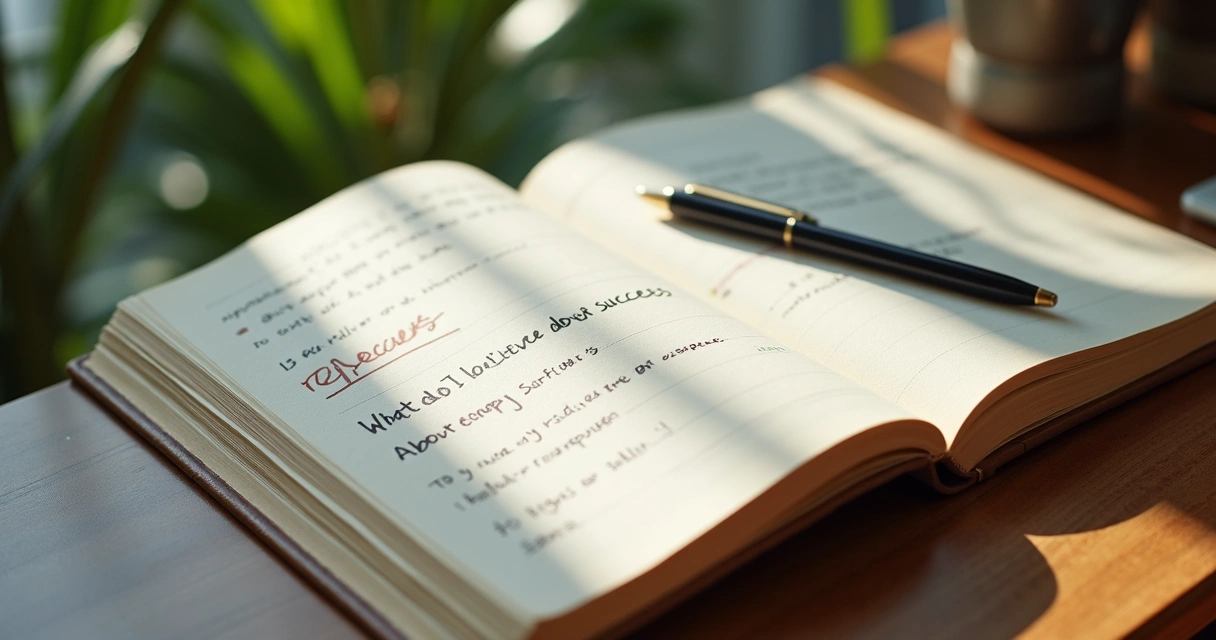
Create new beliefs with intention
First, craft a new statement that fits your real experience and values. Instead of “I always fail,” try “I learn from every experience.” Keep it simple and believable. If it feels too far from your current truth, break it into smaller steps.
Repeat and reinforce
Practice the new belief in thought and action. Remind yourself in the morning. Write it on a sticky note. Notice when your old thought tries to assert itself, and gently choose the new one instead.
We become what we practice every day.
Act “as if”
Try acting as if your new belief were already true. For example, if you are building the belief “my ideas matter,” say yes to sharing one small idea at your next meeting. Notice what happens—often, reality supports the new belief once we give it a chance.
Seek honest reflection from our circle
Share your reflections with a trusted friend or mentor. Sometimes others see our strengths and patterns more clearly. Their gentle feedback can spark new self-awareness. Always check if their reflections resonate with your lived experience.

Keeping the process alive every day
We find that changing beliefs is an ongoing process, not a one-time event. Each day brings small chances to notice, question, and rewrite our mental scripts. Some days, growth is easy. Other days, it takes patience.
We believe the greatest progress comes from gentle, repeated self-awareness. Celebrate even the smallest shifts. A single moment of choosing a new belief can spark a different direction for your day—or your life.
Conclusion
Each day, we are offered a fresh opportunity to notice the old stories shaping our actions. By recognizing outdated beliefs, questioning their roots, and writing new, more fitting narratives, we honor our growth. We create room for clearer choices, stronger relationships, and a deeper harmony between our actions and our values.
Applied awareness, practiced daily, reshapes not only our beliefs, but our entire experience of life.
Frequently asked questions
What is an outdated belief?
An outdated belief is a thought or assumption that may have served a purpose in the past but no longer matches current reality or supports personal growth. These beliefs often remain unexamined and may hold us back from making helpful choices or changes.
How to spot outdated beliefs daily?
Spotting outdated beliefs means paying attention to repeated negative thoughts, emotional triggers, or resistance to new opportunities. If you notice these reactions or patterns, ask where they come from and if they still serve you today.
Why change old beliefs at all?
Changing old beliefs frees us from patterns that limit our happiness and achievement. When we update our beliefs to fit who we are now, we make room for better choices, stronger confidence, and a life that reflects our true values.
Is it hard to change my beliefs?
Changing beliefs can take effort because old patterns feel comfortable and familiar. With daily awareness, gentle questioning, and practice, beliefs can and do shift. Even small steps count and add up over time.
What are the best ways to change beliefs?
We find that the best ways to change beliefs are daily self-reflection, recognizing emotional patterns, intentionally crafting new beliefs, acting on them in small ways, and seeking honest feedback from trusted people. Consistency and patience are both helpful for lasting change.