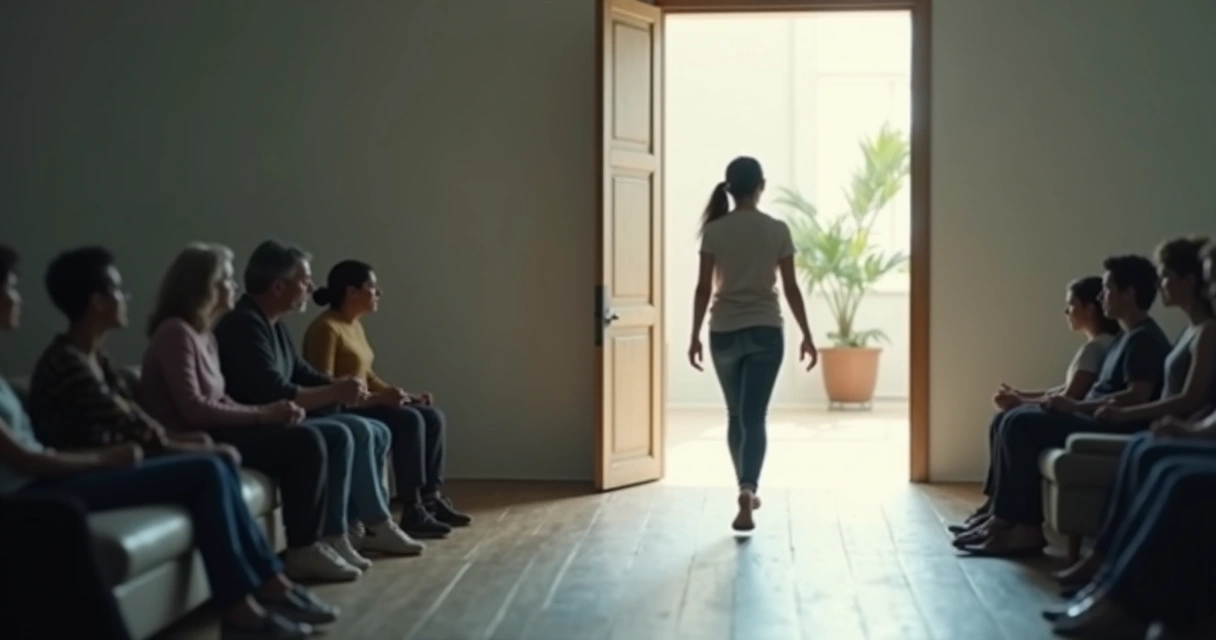
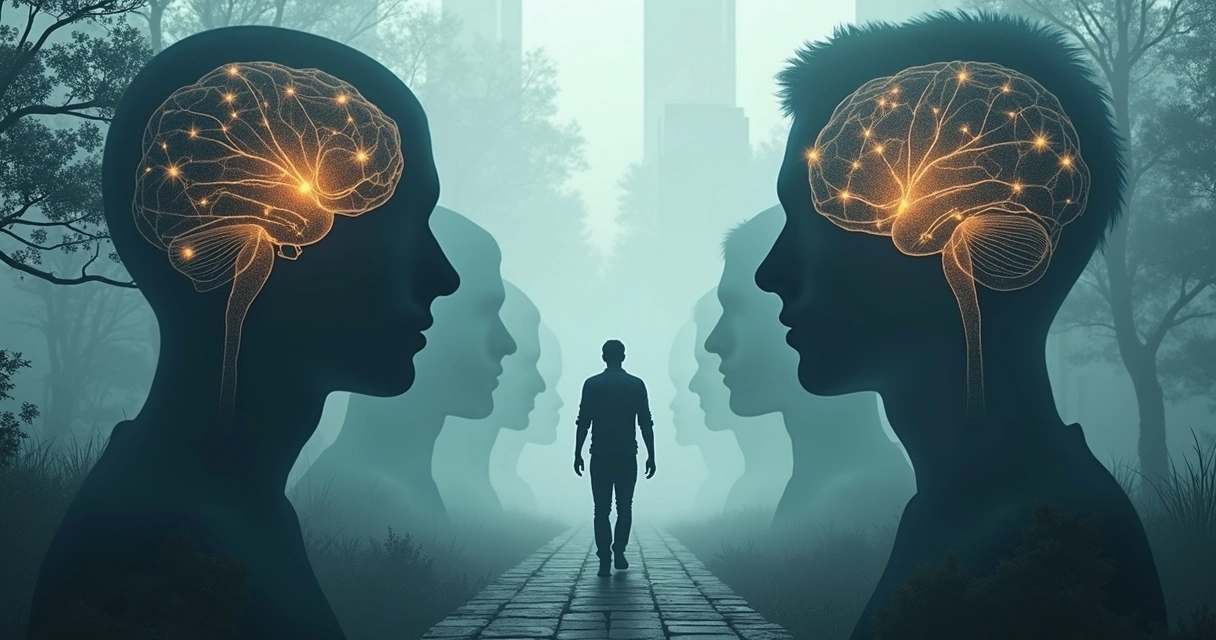
Every day, we make choices and react to the world around us. We like to believe we're always in control. But what if much of what shapes our actions remains out of sight, running quietly in the background? This is the science of unconscious patterns—a field that reveals how unseen mechanisms guide our thoughts, behaviors, and even relationships.
The hidden world within
We experience life as a stream of present moments. Yet, beneath this surface, unconscious patterns—habits, beliefs, emotional memories—work silently, shaping our every interaction. These patterns form early and layer themselves deeply. It’s easy to overlook them, but their influence is far-reaching and, at times, surprising.
Unconscious patterns are the blueprint behind many of our automatic responses.
In our experience, these patterns don't just come from major events. Sometimes, daily routines, small disappointments, or repeated emotional states gradually wire themselves into our ways of being. Once in place, they create familiar ruts in the road our minds travel—a comfort zone, difficult to step outside.
How unconscious patterns are formed
Our brains love patterns. The process starts early. Childhood is a time when we absorb how to survive, feel, and communicate. With each repeated interaction—whether nurturing, stressful, or neutral—the brain forms associations. These networked memories, emotions, and thoughts gradually form what we call “unconscious patterns.”
- Repetition: The more a behavior or reaction is repeated, the deeper it becomes embedded.
- Emotional charge: Events with high emotional intensity, even small ones, leave stronger imprints.
- Social modeling: We unconsciously adopt patterns from those around us, especially caregivers and cultural groups.
- Protective adaptation: Patterns often develop to protect us from discomfort, even if they later become limiting.
Unconscious patterns are not random; they serve a purpose, often linked to past needs or survival.
What really influences our choices?
We might think our preferences are driven solely by logic or conscious will. Yet, research and practical work consistently show something different. What feels like a “choice” is often only the tip of the iceberg.
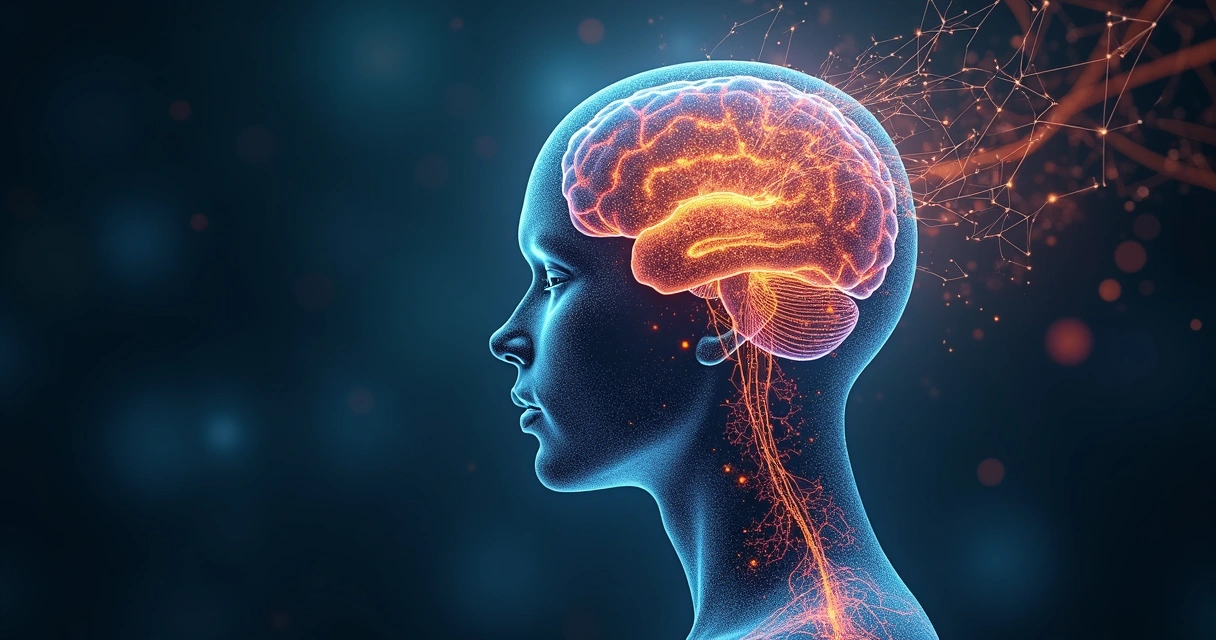
Some of the unconscious influences are:
- Beliefs: Internal stories about ourselves, often inherited or shaped by early experiences.
- Attachment styles: Ways of relating formed in our first relationships, still echoing in adult connections.
- Fear responses: Automatic reactions to perceived threats, big or small.
- Unmet needs: Desires that were not fully satisfied, pushing us to repeat old patterns in search of fulfillment.
The effect is not limited to dramatic moments. The food we enjoy, the people who attract us, even our career choices, can reflect old emotional templates.
Recognizing unconscious patterns in daily life
Ever wondered why you always feel anxious in certain situations? Or why a familiar argument keeps repeating at home or work, no matter how much you try to change it? These recurring experiences can be traced back to unconscious patterns.
The trick lies in observation: Notice when your reaction seems automatic or out of proportion to the immediate situation.
- You feel a surge of emotion, like anger or shame, triggered by simple remarks.
- You realize you’re making quick decisions without thinking them through.
- Relationships fall into familiar, predictable conflicts.
- You avoid opportunities, even when they align with your goals.
Acknowledging these reactions is the first step toward understanding the hidden drivers at play.
What science says about unconscious influence
Decades of research in neuroscience and psychology confirm that the human mind runs complex processes beneath conscious awareness. These background “scripts” help us process information quickly and protect us. But they also reinforce learned biases and repeated mistakes.
Brain imaging studies show that much of our emotional and behavioral response comes from areas outside our moment-to-moment focus. In stressful situations, the brain often defaults to older, more automatic pathways, using prior associations to guide response.
Our unconscious patterns are built for quick reaction, but not all of them serve us well in modern life.

By understanding this, we open the door to more conscious living. We can begin to question not just what we think, but why we think it.
Moving from automatic to aware
If you feel a sense of discomfort realizing that your “autopilot” is strong, you are not alone. Most automatic patterns are not meant to limit us; they once served a need. The real shift happens when we bring them into awareness and consciously choose how to respond.
Awareness is the first step toward change.
We propose a simple sequence for working with unconscious patterns:
- Pause and observe reactions without judgment.
- Ask where this reaction might come from—what memory or belief is driving it?
- Understand the original purpose this pattern served. Was it protection? Belonging?
- Decide what response actually suits your current needs and values.
- Practice new responses, repeating them until they form updated patterns.
This journey from automatic reaction to conscious choice can open space for more freedom, creativity, and authentic connection.
The benefits of uncovering unconscious influence
We have seen that people who recognize and shift their unconscious patterns often report:
- Greater emotional balance
- Improved relationships
- Less repetitive, self-defeating behavior
- More authentic self-expression
- Increased decision confidence
The process is continual. Each new insight reveals another opportunity to grow—not out of perfectionism, but from a genuine wish for a fuller life.
Bringing it all together: A conscious path forward
Unconscious patterns do not disappear overnight, but becoming aware of them changes our relationship with ourselves and others. Each moment of curiosity and reflection builds the strength to choose again, to align actions with values, and to write a new story.
The real power lies in becoming the author of your life story.
The science of unconscious patterns invites us to look honestly at what is really influencing us. When we do, we discover that change is possible, and awareness is our greatest ally.
Frequently asked questions
What are unconscious patterns?
Unconscious patterns are habits, emotional responses, and thought processes that shape our behavior without our active awareness. They usually develop through repetition, emotional experiences, or learned beliefs from early in life, guiding our reactions automatically in daily situations.
How do unconscious patterns affect behavior?
Unconscious patterns can lead us to react in preset ways, often repeating the same mistakes or falling into familiar emotional states. They drive automatic decisions and shape interpersonal dynamics, sometimes helping us adapt quickly, but at other times keeping us stuck in unhelpful cycles.
Can you change unconscious patterns?
Yes, we can change unconscious patterns. The first step is to bring them into awareness, noticing when they show up and understanding their origins. With consistent observation and new choices, we can gradually build healthier behaviors that replace those old patterns.
Why do we develop unconscious habits?
Our brains create unconscious habits to save energy, increase efficiency, and help us handle repeated situations quickly. Early experiences and the need for safety or belonging often lead us to develop patterns that once protected us, though they may become outdated or unhelpful over time.
How to recognize your unconscious influences?
Notice strong emotions, repetitive thoughts, or reactions that seem automatic or don’t quite fit the current situation. Patterns often show up in repeated conflicts, decision blocks, or discomfort in certain situations. Journaling and honest self-reflection can be effective tools for bringing these influences to light.