

We often think passivity in relationships looks harmless. It can seem quiet, polite, even easy to live with. Yet in our experience, passive relational roles slowly shape the whole bond. One person carries, explains, decides, repairs, and absorbs. The other withdraws, waits, avoids, or lets life happen around them.
Passive roles do not stay neutral. They train both people into imbalance.
We have seen this pattern in couples, families, friendships, and work ties. It rarely starts with bad intent. It begins with small accommodations. One person says, “It is faster if I do it.” Another says, “I do not want conflict.” A third says nothing at all. Over time, these moments become roles. Then roles become identity.
That is where trouble grows. The active side becomes overburdened. The passive side becomes less present, less accountable, and less able to act with clarity. Resentment builds in one direction. Helplessness builds in the other.
How passive roles are quietly created
Most passive relational roles are not chosen in a conscious way. They are reinforced. We may reward avoidance by stepping in too fast. We may confuse peace with silence. We may carry another adult, thinking we are being loving, patient, or responsible.
A simple story shows this well. We once heard of a sister who always called the doctor, paid the late fee, solved the housing issue, and explained family tensions to everyone involved. Her brother was not incapable. He had simply learned that waiting worked. She called it support. Inside, she felt tired and unseen.
Support is not the same as substitution.
When we substitute for another person too often, we remove the pressure that could help them mature. This does not mean becoming cold. It means seeing the difference between help that strengthens and help that weakens.
Signs that we are enabling passivity
Enabling is not always dramatic. It often appears in daily habits that seem normal. We can spot it more clearly when we pay attention to repeated patterns, not isolated events.
Common signs include:
We make decisions that the other person could make for themselves.
We explain their behavior to others to protect their image.
We lower expectations again and again to avoid discomfort.
We feel guilty when we stop rescuing.
We carry the emotional weight of every hard conversation.
We notice that promises are vague, delayed, or dependent on our reminders.
Enabling begins when our help removes responsibility instead of supporting it.
Another sign is internal. We start speaking from exhaustion. We become sharp, then ashamed of being sharp. We complain about the same pattern, yet still keep it alive with our overfunctioning. That loop matters. It tells us the relationship is no longer moving through mutual presence.

Why this pattern is harmful
Many people keep enabling because they fear what will happen if they stop. We understand that fear. It can feel risky to step back when a system has depended on us for a long time. But the current arrangement has a cost too.
The cost often shows up in three areas:
It weakens trust. We stop trusting the other person to respond with maturity, and they stop practicing that maturity.
It distorts closeness. The bond starts to rely on dependence, guilt, or silent pressure instead of honest participation.
It harms self-respect. Both sides lose something. One loses voice through overgiving. The other loses agency through underacting.
Passivity also blocks emotional truth. The active person may feel needed, but not met. The passive person may feel protected, but not grown. That does not create a solid relationship. It creates a fragile arrangement that survives only while one person keeps compensating.
Shifts that interrupt the role
Changing this pattern does not start with blame. It starts with clearer position. We need to notice where we are overdoing, overexplaining, or overcarrying. Then we must act in smaller, steadier ways.
Useful shifts often look like this:
Name the pattern without insulting the person.
Return tasks to the person who owns them.
Stop answering for someone who can answer for themselves.
Set time limits on emotional rescue conversations.
Ask direct questions that require position, not excuses.
Let natural consequences happen when safe to do so.
We have found that one sentence can shift a lot: “I care about you, and I will not keep doing what is yours to do.” It is simple. It is firm. It does not attack. It restores borders.
Healthy change often begins when we stop making another person’s avoidance easier.
This can feel uncomfortable at first. Passive roles usually react when they are challenged. There may be silence, frustration, confusion, or attempts to pull us back into the old script. That does not mean the shift is wrong. It may mean the old pattern is losing support.
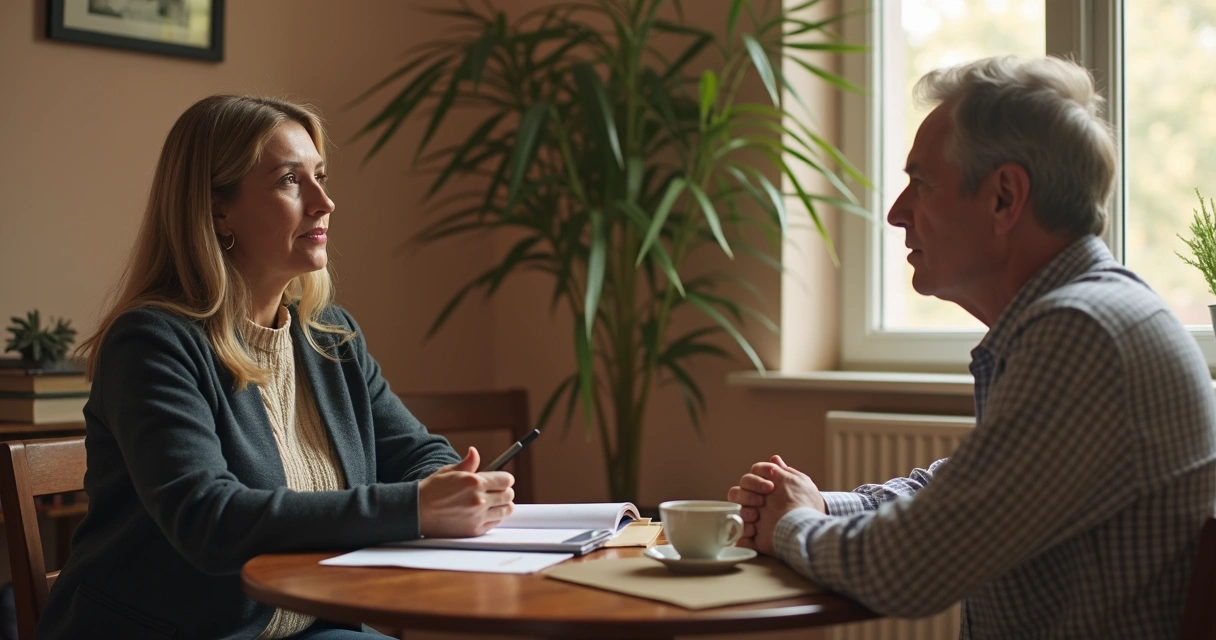
What healthier dynamics look like
A healthier dynamic is not one where nobody needs help. It is one where help does not replace agency. There is room for vulnerability, but also for ownership. There is care, but not emotional adoption.
We can sense a healthier bond when:
Requests are direct, not manipulative.
Responsibilities are named and shared with clarity.
Conflict is faced instead of postponed forever.
Both people can tolerate discomfort without collapsing into blame or retreat.
Sometimes the shift is mutual. Sometimes only one side changes first. Even then, the system begins to move. When we stop rewarding passivity, we create space for truth. Not guaranteed comfort. Truth.
Conclusion
Passive relational roles are easy to excuse because they often hide inside habit, care, and conflict avoidance. Yet when we keep enabling them, we help preserve imbalance. We also drain our own clarity. The shift begins when we stop rescuing as a reflex and start relating with firmer presence.
We do not need harshness to do this. We need honesty, boundaries, and the courage to let each person carry their part. That is how respect returns. That is how maturity has a chance to grow.
Frequently asked questions
What is a passive relational role?
A passive relational role is a repeated position in a relationship where someone avoids initiative, responsibility, or clear participation. They may wait for others to decide, solve, or carry emotional weight. It is a pattern of under-engagement that shapes the bond over time.
How to identify enabling behaviors?
We can identify enabling behaviors by noticing when our help removes accountability. Examples include fixing avoidable problems for others, speaking on their behalf, lowering expectations to keep peace, and rescuing them from consequences they could face and learn from.
Why should I stop enabling passivity?
We should stop enabling passivity because it harms both sides. One person becomes overloaded, while the other stays underdeveloped in responsibility and action. Over time, this weakens trust, builds resentment, and reduces the chance of a balanced relationship.
What are signs of passive roles?
Signs of passive roles include chronic indecision, avoidance of hard talks, dependence on reminders, vague promises, and a habit of waiting for others to act first. We may also notice that one person keeps managing the emotional and practical load for both.
How can I shift to healthier dynamics?
We can shift to healthier dynamics by naming the pattern calmly, setting limits, returning responsibilities, and allowing safe consequences to unfold. Healthier dynamics grow when care and accountability exist together.