

Our daily choices are not made in a vacuum. Over time, we have noticed a pattern: the forces shaping our decisions are usually woven into feedback loops that connect our emotions, relationships, work, habits, and even our sense of purpose. These loops are not abstract. They are living, breathing patterns that guide, limit, or expand what we feel capable of choosing at any moment.
Understanding these feedback loops can bring more clarity and freedom to our lives. With that in mind, let’s walk together through ten systemic feedback loops we believe shape personal decisions in lasting, often surprising ways.
1. Emotional validation loop
Whenever we make a choice, our emotional state is both a starting point and a destination. For example, think about when we feel anxious before a social event. If we decide to avoid the event, our anxiety may go down for a moment. That brings relief, which tells our mind: “Avoidance works.” So, the next time anxiety builds, the loop brings us back to avoidance again. Over time, these repeated cycles strengthen the link between feeling and action, shaping our decision patterns.
“Our emotions ask for attention through the choices we repeat.”
By noticing these cycles, we open up space for new responses, rather than default reactions.
2. Social expectation loop
Social groups shape us, whether we see it or not. When we act in ways that align with our group’s expectations, we often receive approval, praise, or connection. If we break unspoken rules, the feedback can be discomfort, exclusion, or criticism. This cycle nudges us to adjust our behavior, reinforcing group norms through repeated feedback. When we make decisions, this loop may quietly steer us toward choices that maximize belonging—even if they don’t match our true needs.
3. Belief reinforcement loop
Every belief we hold acts like a filter. If we think, “I’m not good at public speaking,” we might avoid speaking in front of others. The more we avoid, the fewer opportunities we have to prove this belief wrong. This loop makes the belief stronger, shrinking possibilities over time. Breaking the loop often means stepping into discomfort—and seeing that, sometimes, our beliefs are not as fixed as they feel.
4. Habitual behavior loop
Habits echo through our days. In our experience, habits form a classic feedback loop: a trigger leads to an action, which gives us a reward. Each reward solidifies the behavior, shaping our future decisions without much conscious thought. The coffee that perks us up in the morning, the phone we check out of boredom—these actions reinforce themselves, sometimes quietly guiding choices we barely notice.
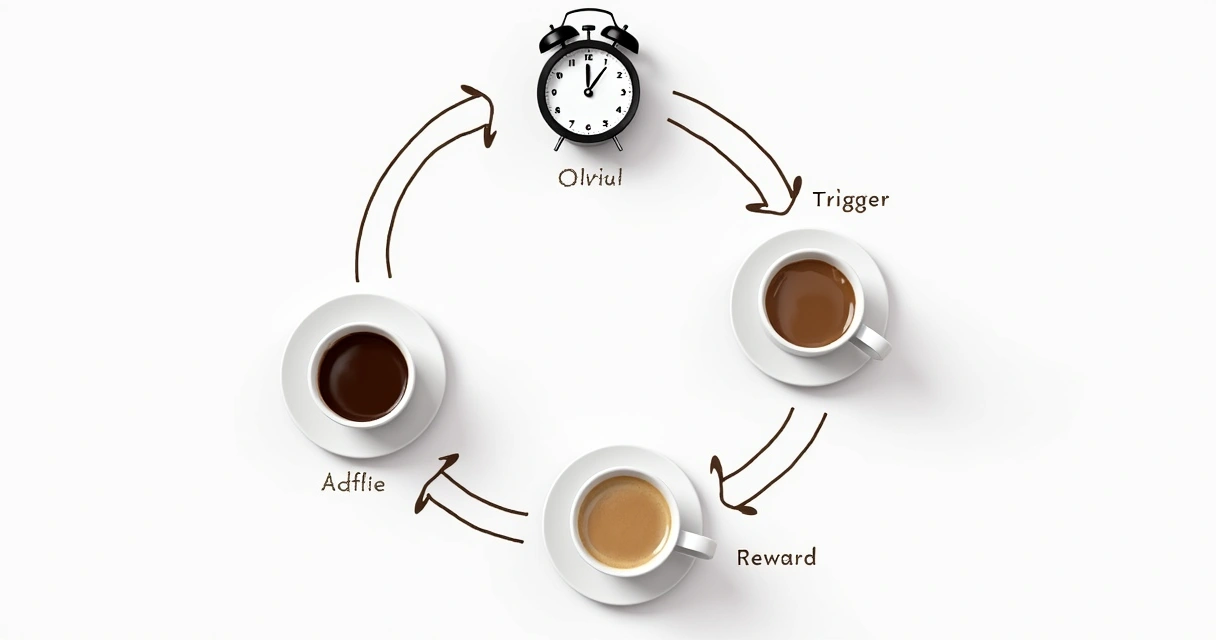
The power of habits lies in how invisible they become over time. Noticing them is the first step to greater choice.
5. Achievement and self-worth loop
Performance and self-worth are attached for many of us. When achievements are celebrated, our self-worth feels high, and we reach for new goals. If we fall short—and are met with disapproval or self-criticism—our self-regard dips, as does our willingness to try again. The loop between achievement and self-worth can push us to greater heights, or into cycles of avoidance if fear of failure grows too strong.
6. Information selection loop
This feedback loop works quietly in the background. When we interact with information—news, social media, conversations—our preferences guide what we consume. Those inputs then reinforce our worldview, encouraging us to select even more of what we already agree with. Over time, this narrows our field of view, affecting how we judge risk, opportunity, or even what is possible. Decisions made in echo chambers often lack perspective.
7. Relational dynamic loop
In relationships, our patterns matter. Take the simple act of offering support or criticism. If we comfort a friend and they respond with gratitude, we’re more likely to help again. If criticism leads to an argument, we might pull back. In families, friendships, or teams, these emotional exchanges wire into feedback loops that define what feels safe, what is shared, and how we relate when making decisions with or around others.
8. Stress and coping mechanism loop
Stress triggers coping actions. For some, stress sparks exercise or reaching out for support. For others, it means retreating or engaging in numbing behaviors. Each choice brings feedback—from the body, mind, or those around us. Over time, certain coping mechanisms are repeated, for better or worse. This loop decides how resilient we feel, especially when tough choices arise.

Sometimes the very thing we do to escape discomfort plants the seed for its return.
9. Financial security and risk loop
Our approach to money and risk is shaped by feedback from earlier experiences. If taking a risk once ended in loss or shame, we might now decide only on “safe” bets. Alternately, early lucky wins can lead to more daring decisions. This loop connects income, spending habits, and comfort zones, driving repeated patterns in financial choices—even if circumstances change.
10. Purpose and fulfillment loop
Feeling purposeful can inspire us to take new actions. When our efforts are met with meaning, fulfillment grows and we make more aligned decisions. But when choices feel empty, feedback loops of apathy or disengagement can form. This dynamic often shapes career, relationships, and community involvement. We have seen that even small acts, when experienced as purposeful, can start a positive cycle that day by day changes the arc of our decision making.
“Feedback loops are living cycles that, once seen, can be steered.”
Conclusion
As we have seen, feedback loops connect inner states, social signals, beliefs, and daily actions in an ongoing dance. We are not passive participants. By learning to spot the loops that shape us, we gain greater choice to adjust, redirect, or break them. Sometimes, a single conscious shift—a new conversation, an honest feeling, a risk taken—can begin to change the entire system. If we pause and notice, decision by decision, these loops can become clearer pathways toward the lives we truly choose to build.
Frequently asked questions
What is a systemic feedback loop?
A systemic feedback loop is a repeating cycle where actions and responses continually influence each other, reinforcing or changing our habits, emotions, or relationships over time. These loops work across different aspects of life, gathering small effects into patterns that guide our future choices.
How do feedback loops impact decisions?
Feedback loops impact decisions by shaping what feels rewarding or uncomfortable, making certain choices easier to repeat and others harder to make. As these loops grow stronger, they can either keep us stuck in old routines or support positive change, depending on what is reinforced.
Can feedback loops be changed or controlled?
Yes, feedback loops can be changed when we bring awareness to them and adjust our actions or responses. Control starts with noticing the loop, understanding what reinforces it, and then choosing at least one small change in the cycle. Over time, this breaks the old pattern and starts a new one.
What are examples of personal feedback loops?
Personal feedback loops include cycles like emotional eating (stress leads to eating, brief relief, repeat), procrastination (avoidance brings short-term comfort but adds more stress), and positive routines (exercise increases energy, making it easier to exercise again). Each one links an action to a result that makes repeating the cycle more likely.
How can I identify my own feedback loops?
To identify your feedback loops, we suggest watching for repeating patterns in your emotions, choices, and their outcomes. Notice what triggers certain actions, what relief or discomfort follows, and if the same situation repeats after similar responses. Keeping a short journal or talking patterns over with someone you trust can make these cycles easier to spot.