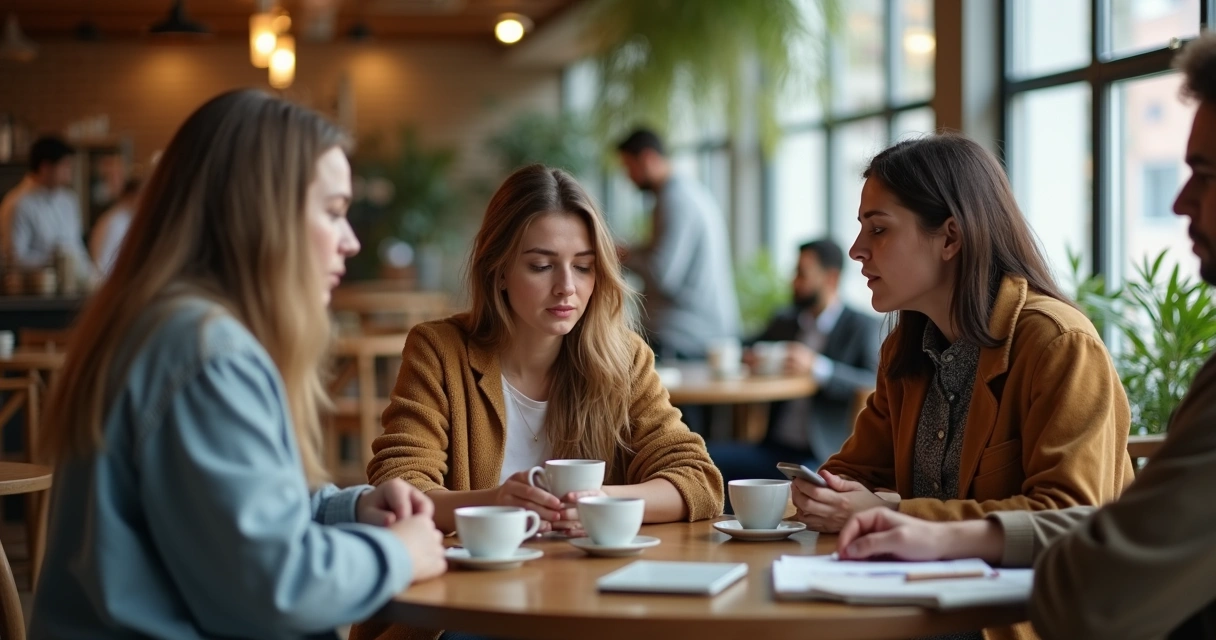

We do not compare only when we notice it. Much of the time, comparison happens fast, quietly, and below clear awareness. It slips into what we buy, what we post, what we avoid, and even what we call a “personal choice.”
Unconscious comparison is the silent habit of measuring ourselves against other people without choosing to do it.
We may wake up feeling fine, then see someone else’s pace, body, home, career, or relationship online and feel a shift. It can be slight. A bit of pressure. A bit of doubt. Then the day starts moving around that feeling.
Small comparisons can move big decisions.
In our experience, this pattern is often less about envy and more about orientation. We look outward to know how we are doing. That sounds harmless, but repeated often, it can pull us away from our own timing, needs, and values.
How it enters daily life
Unconscious comparison rarely announces itself. It appears as a normal thought. “Maybe I should be doing more.” “Perhaps I am behind.” “Why am I not handling this as well?” The thought feels personal, but its trigger often came from outside.
We see this in ordinary moments:
Choosing clothes based on how we think others will read us.
Delaying rest because someone else seems to handle more.
Spending money to match a social standard we never questioned.
Staying quiet in meetings because another person appears more prepared.
Judging our parenting, aging, body, or progress through borrowed measures.
These choices may look practical. Yet many are guided by a hidden wish to keep up, fit in, or avoid feeling less than someone else.
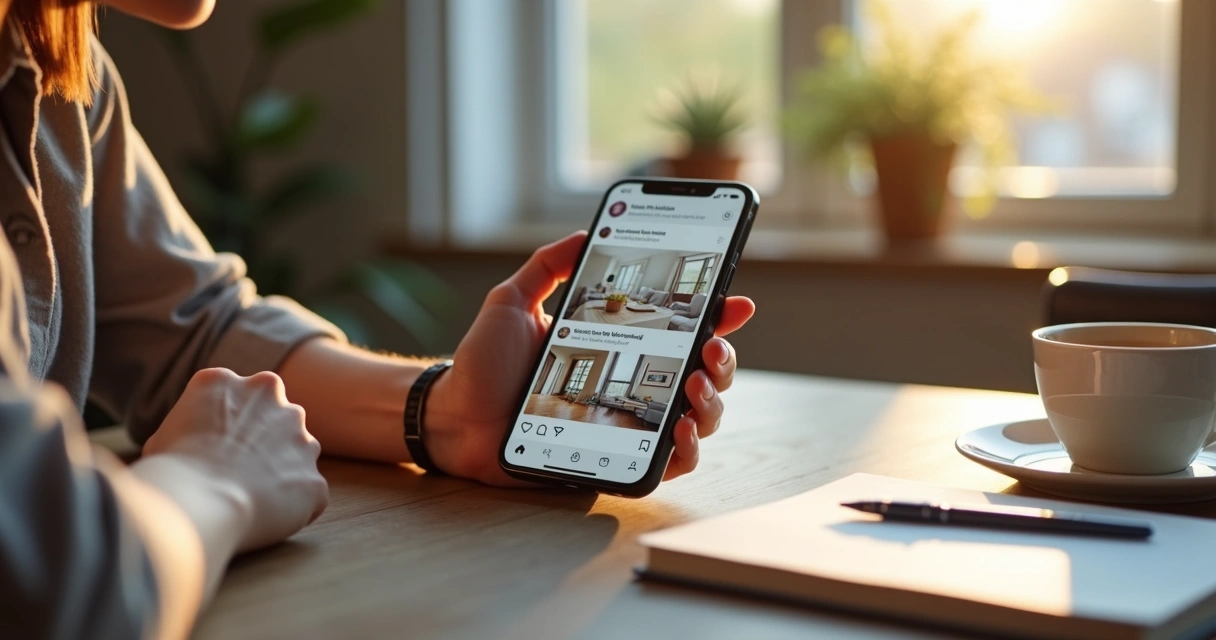
A common story goes like this. We open our phone for a minute before work. We see a friend announcing a new role, a tidy kitchen, a fit body, a smiling family, a calm morning routine. Nothing dramatic happens. Still, we arrive at our own day already corrected by someone else’s image.
When comparison stays unconscious, we mistake social pressure for personal desire.
Why the mind does this
Human beings read social cues all the time. We learn by watching. We adjust by watching. We protect belonging by watching. So comparison is not strange. It is part of social life. The issue begins when this mechanism runs without reflection.
We may compare upward, downward, or sideways. Upward comparison happens when we focus on people we see as ahead of us. This often creates pressure or discouragement. Sideways comparison happens with peers and can create subtle competition. Downward comparison may bring relief, but it can also hide insecurity.
An online survey with nearly 15,900 undergraduates in Abia State, Nigeria found that 56.6% showed moderate levels of online social comparison, while 18.9% showed high levels. That tells us this is not a rare habit. It is part of how many people now relate to themselves.
We think the digital environment intensifies this process because it gives us selected fragments of other people’s lives, then places those fragments next to our most private doubts. That is a powerful mix.
How it changes emotions and behavior
Comparison does not stop at thought. It shapes state. State shapes action.
A study following students over 11 days during exam preparation found that more frequent upward comparisons were linked with higher stress, worse mood, and more avoidant learning behaviors. This point matters because it shows that comparison does not only make us feel bad. It also alters what we do next.
We may notice effects such as:
Buying things for approval rather than real need.
Working harder from fear, not from clarity.
Hiding from opportunities because others seem better.
Overcommitting to look capable.
Pulling away from people we secretly use as mirrors.
Sometimes the result is overaction. Sometimes it is paralysis. Both can come from the same root. We no longer act from inner direction. We react to an outer measure.
We have also seen comparison distort self-perception in very quiet ways. A person may be doing well, yet feel late. A family may be stable, yet feel inadequate. A leader may be prepared, yet second-guess every move because someone else appears more polished.
Comparison can make a full life feel small.
Social media and the edited standard
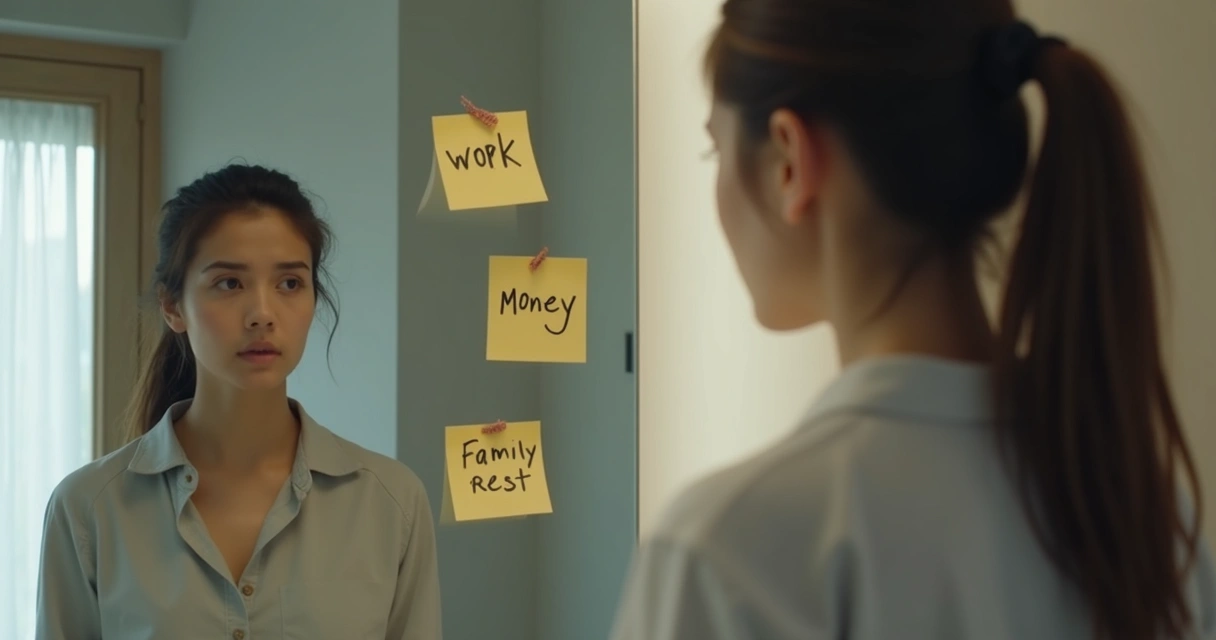
Many people already sense this, but the data now gives it more shape. A 2025 study from Université de Montréal found that exposure to upward social comparisons on Instagram partly mediated the link between social media use and lower self-esteem or greater depressive symptoms, accounting for about 6 to 9% of the variance in those outcomes.
That percentage may sound small at first. Yet daily life is made of repeated exposures. A small shift, repeated many times, can change how we speak to ourselves, how we judge our day, and what we choose next.
Repeated exposure to edited lives can train us to doubt unedited reality.
This is why many choices made after scrolling feel urgent but strangely empty. They are often driven by activated insecurity, not grounded intention.
How to interrupt the pattern
The goal is not to stop noticing others. That would be impossible. The goal is to become conscious sooner, before the comparison turns into a decision.
We suggest a simple sequence:
Pause when your mood drops quickly after seeing someone else.
Name what you compared: appearance, income, pace, family, status, or emotional control.
Ask whether the next choice is true for you or just a reaction.
Return to facts about your own context, limits, and values.
This pause matters. A short inner question can stop a long chain of reactive behavior. We may ask, “Would I still want this if no one else had shown it to me?” That one sentence often clears the fog.
Another helpful practice is tracking recurring triggers. Certain accounts, rooms, people, or situations may repeatedly push us into measurement mode. Once we see the pattern, we gain room to choose our response.
Conclusion
Unconscious comparison shapes daily life by directing attention, stirring emotion, and influencing choice before we notice what happened. It can change how we spend, work, rest, speak, and relate. The deeper issue is not that others exist as references. The deeper issue is that we can lose contact with our own measure.
Awareness breaks the automatic link between what we see and what we choose.
When we notice comparison in real time, we recover space inside ourselves. In that space, choice becomes cleaner. More honest. More aligned with real life, not borrowed standards.
Frequently asked questions
What is unconscious comparison?
Unconscious comparison is the automatic habit of measuring ourselves against other people without fully noticing it. It often happens in fast reactions to appearance, success, lifestyle, relationships, or pace of life.
How does comparison affect daily choices?
It can influence spending, work habits, self-care, confidence, and social behavior. We may choose things to reduce insecurity or match a perceived standard instead of acting from our own values and real needs.
Can I stop comparing myself subconsciously?
We may not stop comparison completely, because the mind reads social cues naturally. But we can reduce its power by noticing triggers, pausing before acting, and checking whether a choice comes from clarity or reaction.
Why do people compare themselves automatically?
People compare themselves automatically because social observation is part of human adaptation. We learn status, belonging, and expected behavior by watching others. In modern life, this mechanism is intensified by constant exposure to curated images and visible markers of success.
How to become aware of unconscious comparisons?
We can become aware by watching for sudden drops in mood, pressure to change ourselves after seeing others, or urges to prove worth. Naming the exact comparison and pausing before the next action helps bring the pattern into consciousness.