
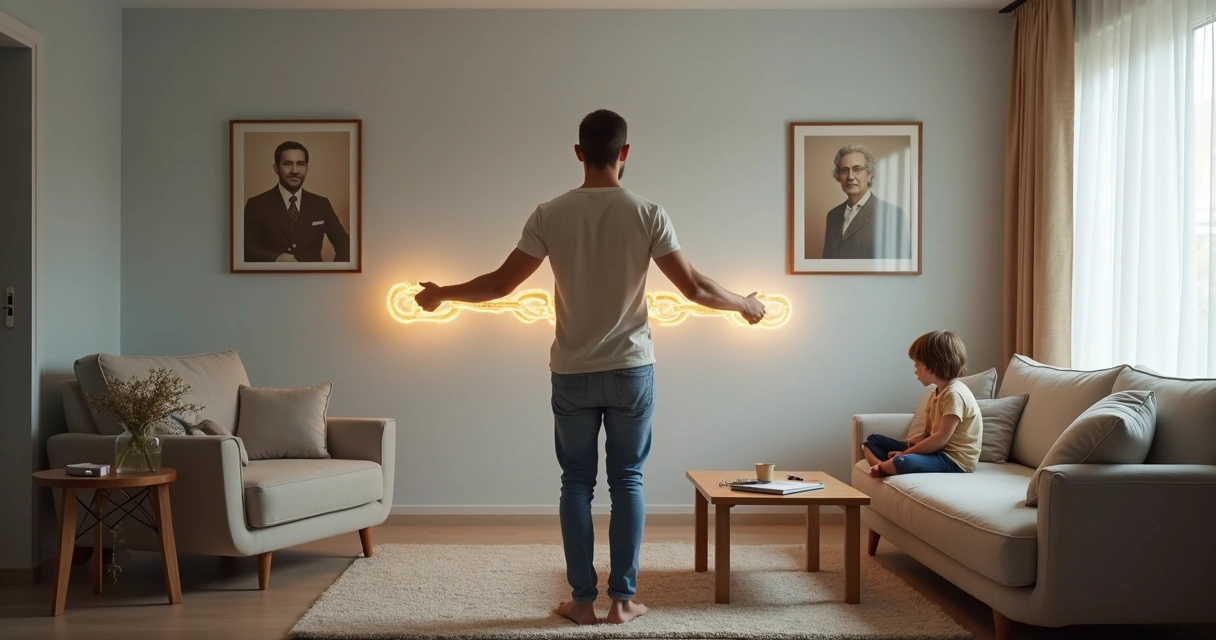
Family shapes us in ways we rarely notice until we pause and look back. The little habits, the repeated arguments, the silent rules—much of our day-to-day is influenced by family patterns set long before we spoke our first word. Yet, as adults in 2026, many of us sense that not all these patterns serve our current lives. The question is, how do we bring change where so much runs on autopilot?
What do we mean by unconscious family patterns?
We all inherit behaviors, beliefs, and emotional responses from our families, often absorbed without a second thought. Unconscious family patterns are cycles or habits quietly shaping our daily lives, rooted in the history and emotional climate of our families. These might show up as ways of handling stress, communication styles, views about money, or even attitudes towards health and relationships. Research highlights that patterns like substance use and self-management of conditions such as migraines are frequently borrowed from what we've seen at home, sometimes across generations (research in PMC).
These patterns can be both positive and negative. While some foster resilience, connection, or discipline, others keep us locked in cycles of anxiety, conflict, or avoidance. Recognizing the invisible scripts we follow is the first step to rewriting them.
Why 2026 is the right time to look at family patterns
We are living in a time when mental health, emotional intelligence, and personal responsibility are part of mainstream conversation. In recent years, global events and technological changes have exposed many of us to new ways of thinking and interacting. This collective shift has made it possible—and even expected—to reflect on our inherited behaviors and decide which ones fit our chosen future.
Recent studies have shown the extensive influence of family in adulthood. For example, among U.S. adults aged 50 and older, more than two-thirds have a partner, and almost 90% maintain strong connections with children and siblings (research available through PMC). Our families, in all their forms, remain powerful settings for change throughout life.
Recognizing your family’s repeating cycles
Awareness comes first. Many of us rush into problem-solving before we are clear on what the real pattern is or why it exists. We have found that true insight often comes from slowing down and asking the right questions.
Pause. Notice. Ask yourself: “Where have I seen this before?”
- When do conflicts reappear, almost on schedule?
- Are there emotions or topics always avoided or always dramatized?
- Which decisions in your life feel like “musts” even when you want something else?
We encourage honest, sometimes even uncomfortable, conversations with trusted people—family, friends, or professionals. Many clients have told us an insight surfaced only after talking their experiences out loud or writing them down. If you've ever had a moment where you thought, “I sound just like my mother/father,” you’ve already glimpsed a family pattern at work.
The role of trauma and childhood experiences
Breaking family patterns means meeting both the sweet and the painful realities of our past. Experiences of trauma, especially in childhood, can set patterns that linger for decades or even generations. One study found that over 85% of adults using mental health services experienced multiple forms of childhood trauma (study on PMC). These experiences can quietly shape how we respond to stress, connect with others, or see ourselves.
Healing from such wounds often requires patience and support. It can be tempting to blame others or ourselves. Instead, we suggest seeing these patterns as signals: not something wrong with you, but something meaningful asking for attention.

Steps we recommend for breaking unconscious patterns
Changing behavior linked to family history can feel daunting. Yet, every journey begins with a single step. Here is the path we guide many through, refined by experience and research from diverse cultures, like the findings on family influence in Sri Lanka and Uganda, where over half of male drinkers reported that family pressure helped in changing behaviors (peer-reviewed study archived in PMC).
- Acknowledge without judgment
Name the pattern, even if you don’t know what to do about it yet. “I see that I withdraw when things get tense, just like my father used to.” Observation, without blame, opens the door for change.
- Map the origins
Ask yourself: where did this behavior start? How did it serve your family? Sometimes, what now feels restrictive was once useful. Understanding this removes the sense of shame and replaces it with empathy.
- Choose a small action
Big goals overwhelm. Choose a small, concrete action when the pattern appears again. This could be taking a deep breath before reacting, or starting a different kind of conversation. The key is consistency.
- Create accountability
Share your intention with someone you trust. This step is often the difference between fleeting insight and real change. Many find that writing about their pattern or talking about it regularly helps sustain attention.
- Celebrate progress, not perfection
Each time you notice yourself catching a pattern before it runs its usual course, pause and acknowledge it. Change is gradual. Setbacks are part of the process.

The power of choice and conscious action
No pattern is completely set in stone. We have seen people change family legacies, one thought and one choice at a time. The power lies less in making the “right” decision and more in making a conscious one—one that aligns with personal values, vision, and present circumstances.
Some find that learning about their family history brings compassion and understanding. Others, after working through painful memories, create new family "rituals" that foster the feelings they wish they had as children—honesty, safety, laughter or support.
Change starts with a single question: “What am I willing to choose differently today?”
Conclusion
It takes courage to recognize and shift unconscious family patterns. Yet, 2026 offers more support, knowledge, and openness than any previous time. By focusing on awareness, self-responsibility, and aligned actions, we believe anyone can rewrite inherited scripts and shape a family legacy rooted in choice, connection, and conscious maturity. Your story is still being written—one new decision at a time.
Frequently asked questions
What are unconscious family patterns?
Unconscious family patterns are ways of thinking, feeling, or acting that are repeatedly passed down through family generations, often without anyone noticing the original source. These patterns can influence relationships, self-image, conflict, and choices, and often run automatically until recognized and changed.
How can I identify my family patterns?
To identify family patterns, we recommend observing your emotional reactions, repeated behaviors, and common conflicts in your life. You can also ask yourself if certain responses feel automatic or remind you of caregivers. Journaling or discussing family stories with relatives can bring hidden patterns to light.
Is it worth it to break patterns?
Yes. Breaking negative family patterns allows you to live more freely, make conscious choices, and create healthier relationships for yourself and future generations. While the process can be challenging, the potential for emotional growth and peace makes it valuable.
What steps help change family patterns?
Start by noticing your recurring behaviors, acknowledging them without self-criticism, and tracing their origins. Choose small, consistent changes and seek support from trusted people. Celebrate each step forward, no matter how small. Consistency and self-compassion are key in breaking old cycles.
Where to find resources for pattern breaking?
You can find resources in personal development books, research articles, mental health professionals, or local support groups. Online platforms also provide education and peer support. Choose trusted sources that respect the complexity of family dynamics.